Introduction
Varicose veins are swollen, twisted veins that often appear on the legs. They can cause discomfort and affect your confidence. Today, many people choose laser treatment for varicose veins. This minimally invasive option is safe and effective. In this blog, you will learn about symptoms, causes, diagnosis, and laser therapy for varicose veins. You will also discover helpful tips for recovery and prevention.
What Are Varicose Veins?
Varicose veins are veins that have become enlarged and visible under the skin. Usually, they look blue or purple. Most often, they appear on the legs or feet. Because the valves in these veins do not work well, blood pools and causes the veins to bulge. While some people have no symptoms, others may feel pain or heaviness.
Common Symptoms of Varicose Veins
Not everyone with varicose veins feels discomfort. However, many people notice signs such as:
Sometimes, symptoms get worse after standing or sitting for long periods. For example, you may notice more swelling at the end of the day.
Causes and Risk Factors
Varicose veins develop when the valves in your veins weaken. As a result, blood flows backward and pools in the veins. Several factors can increase your risk, including:
Because these factors can add up, it is important to know your risks. According to the CDC, varicose veins affect millions of adults worldwide.
How Varicose Veins Are Diagnosed
Doctors diagnose varicose veins by looking at your legs and asking about your symptoms. Often, they use a simple test called a duplex ultrasound. This test uses sound waves to check blood flow in your veins. As a result, your doctor can see if the valves are working well. Sometimes, other tests may be needed to rule out blood clots or other problems.
Laser Treatment for Varicose Veins: How It Works
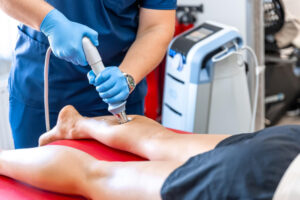
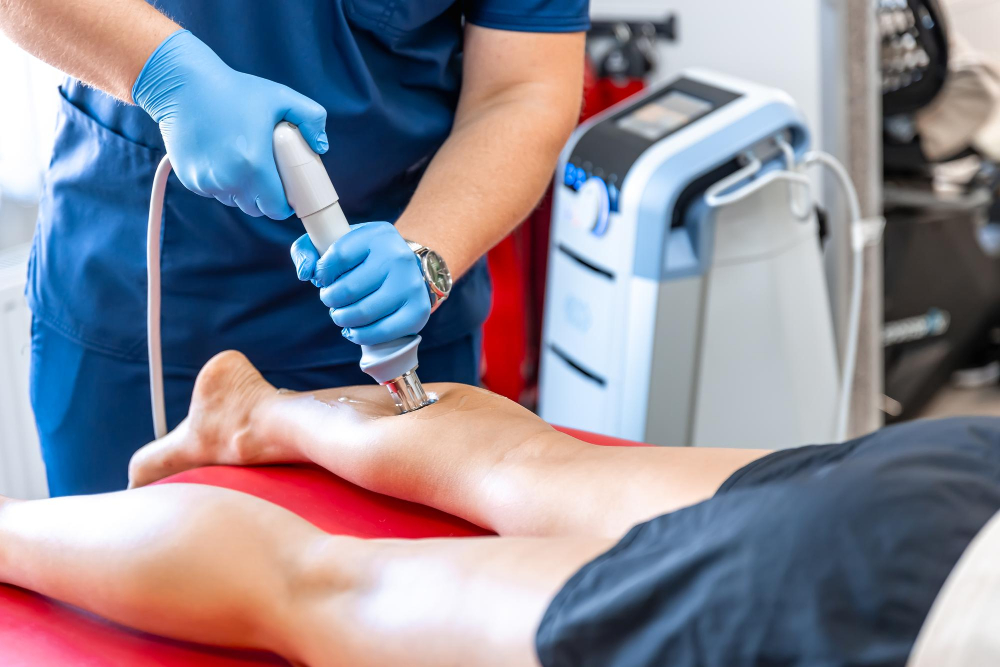
Laser treatment for varicose veins is a popular, minimally invasive option. During the procedure, a doctor uses a thin laser fiber to send heat into the affected vein. This heat closes the vein, and blood moves to healthier veins nearby. Over time, the treated vein fades away. There are two main types of laser therapy:
Because laser therapy does not require large cuts, recovery is usually quick. Many people search for “laser treatment for varicose veins near me” to find local clinics.
Benefits and Risks of Laser Treatment
Laser therapy for varicose veins offers many benefits. For example, it is less painful than surgery and has a shorter recovery time. Other advantages include:
However, like any medical procedure, there are some risks. These may include:
Still, most people have few problems. According to the American College of Phlebology, serious side effects are rare.
Recovery and Aftercare Tips
After laser treatment, you can often go home the same day. To help your veins heal, your doctor may suggest:
Because recovery is usually smooth, most people return to work within a few days. However, always follow your doctor’s advice for the best results.
Prevention and Lifestyle Guidance
While you cannot change some risk factors, you can take steps to lower your chances of new varicose veins. Try these tips:
Additionally, eating a balanced diet and staying hydrated can support healthy veins. If you notice new symptoms, see your doctor early.
Conclusion
Varicose veins can cause discomfort, but safe and effective treatments are available. Laser therapy offers a minimally invasive way to remove varicose veins and improve your quality of life. For the best care, consult Dr. Shailesh Kumar, a specialist, for personalized advice on varicose veins and laser treatment.