Introduction
Soft tissue sarcoma is a rare type of cancer that grows in the body’s soft tissues. These tissues include muscles, fat, nerves, and blood vessels. Sometimes, people notice deep lumps under their skin or in their muscles. Early detection and soft tissue sarcoma surgical management are very important. If found early, surgery can help remove the lump and improve outcomes. In this blog, you will learn about symptoms, diagnosis, surgery, and recovery tips for deep lumps caused by soft tissue sarcoma.
What is Soft Tissue Sarcoma?
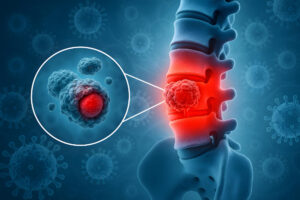
Soft tissue sarcoma is a group of cancers that start in the soft parts of the body. These cancers can develop in muscles, fat, nerves, or blood vessels. There are over 50 types of soft tissue sarcoma. Some common types include liposarcoma, leiomyosarcoma, and synovial sarcoma. Although soft tissue sarcoma is rare, it can affect both children and adults. According to the World Health Organization (WHO), soft tissue sarcomas make up less than 1% of all adult cancers.
Symptoms and Causes of Deep Lumps
Often, the first sign of soft tissue sarcoma is a painless lump. However, as the lump grows, it may cause pain or swelling. Sometimes, the lump is deep inside the body and hard to notice. Other symptoms can include:
There are several risk factors for soft tissue sarcoma. For example, previous radiation therapy, certain genetic conditions, and exposure to chemicals can increase risk. If you notice a lump that is growing, firm, or painful, you should see a doctor soon. Early medical advice can help with better treatment options.
Diagnosis of Soft Tissue Sarcoma
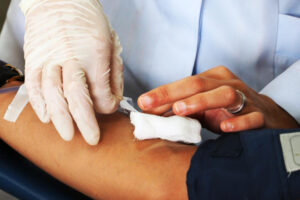
Doctors use several steps to diagnose soft tissue sarcoma. First, they will ask about your symptoms and medical history. Next, they will do a physical exam to check the lump. After that, they may order imaging tests such as:
These tests help doctors see the size and location of the lump. To confirm the diagnosis, a biopsy is needed. During a biopsy, a small piece of the lump is removed and checked under a microscope. This step is important to know if the lump is cancerous and to plan the best treatment.
Surgical Management of Deep Lumps
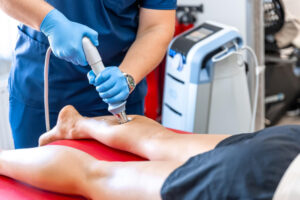
Surgery is often the main treatment for soft tissue sarcoma. The goal is to remove the entire lump along with some healthy tissue around it. This helps lower the chance of the cancer coming back. Before surgery, doctors may do more tests to plan the procedure. Sometimes, they use imaging to guide the surgery.
The steps for soft tissue sarcoma surgery usually include:
After surgery, you may need to stay in the hospital for a few days. Recovery time depends on the size and location of the lump. In some cases, doctors may suggest radiation or chemotherapy after surgery. These treatments help kill any remaining cancer cells. If you are looking for soft tissue sarcoma surgery in your city, ask your doctor about local specialists.
Risks and Benefits of Surgery
Surgery for deep lump removal has many benefits. For example, it can remove the cancer and reduce symptoms. However, like any surgery, there are risks. Possible complications include:
Most people recover well after surgery. With proper care, the risk of problems is low. Your doctor will discuss the risks and benefits with you before the procedure. Overall, surgery offers the best chance for a cure in many cases.
Prevention and Lifestyle Guidance
While it is not always possible to prevent soft tissue sarcoma, you can take steps to monitor your health. For instance, check your body for new or growing lumps. If you have a family history of cancer, share this with your doctor. After surgery, follow these tips for better recovery:
With regular check-ups, you can catch any problems early. This helps improve your long-term health.
Frequently Asked Questions
For more information, you can visit trusted sources like the Centers for Disease Control and Prevention (CDC) or the World Health Organization (WHO).
Consult Dr. Shailesh Kumar for personalized guidance on soft tissue sarcoma and surgical management.